Small-Space Bedroom Optimization in New York Apartments: Clever Layouts and Storage Hacks
Practical, apartment-friendly strategies for squeezing maximum comfort and organization into compact NYC bedrooms. This guide covers layout ideas, multi-functional furniture, and smart storage solutions tailored to city living.
In a city where square footage often comes at a premium, the art of designing a bedroom that feels generous—without sacrificing function—becomes a signature move. Think of a New York bedroom as a stage where light, line, and purpose mingle with the quiet luxury of well-chosen pieces. The goal is not merely to fit furniture into a space, but to orchestrate a sense of flow, calm, and possibility within it. This article embraces a Vogue-like sensibility for scale, texture, and composition, while delivering practical, non-commercial guidance that renters and homeowners alike can apply tomorrow.
Room-by-room layout: maximizing floor space in a typical NYC bedroom
Layout is the foundation of a small-space bedroom. The way you position the bed, dressers, and surfaces creates the perception of more room and smoother movement. In New York apartments, where oblong rooms and alcoves are common, the goal is to reveal openness rather than crowd the footprint with furniture.
- Bed placement and traffic flow: Align the bed with the longest wall to anchor the room, then reserve a clear path from door to window. If window glare is a concern, position the bed so that you don’t face direct sunlight at nap or wake moments, while keeping routes unobstructed for walking circulation.
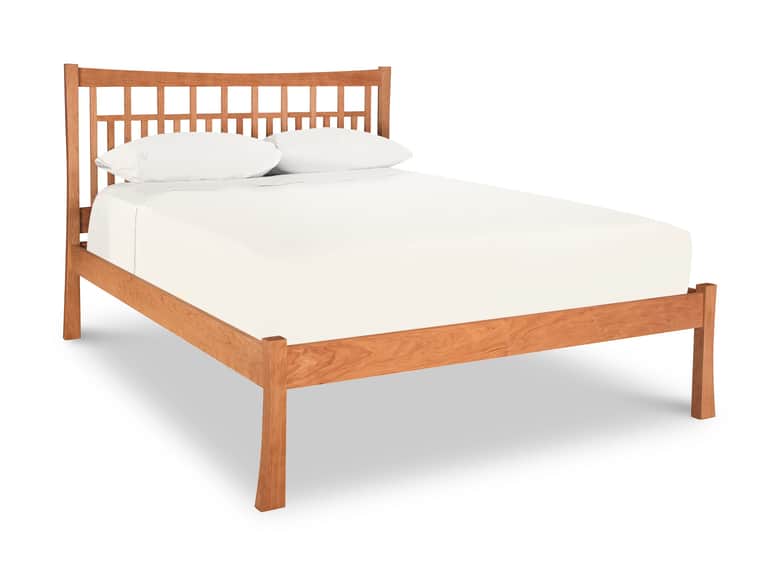
- Visual openness through scale: Choose low-profile beds or platform frames that reduce visual mass near the floor. A sleeker silhouette invites light to travel and air to circulate, which immediately makes the space feel larger.
- Headboard strategy: A slim, architectural headboard or a wall-mounted panel can add presence without deep bulk. For renters, a lightweight, removable headboard cover or a mounted fabric panel can achieve the same effect without committing to hardware.
- Mirror placement for depth: A tall, slender mirror on the wall or a mirrored wardrobe door reflects light and creates a sense of expansiveness. Position mirrors to bounce natural light from windows across the room rather than reflect clutter.
- Lighting layering by design: Layer ambient, task, and accent lighting to carve zones and elevate perceived space. In tight rooms, wall sconces or slim pendant lights near the bed free up surface area on nightstands while maintaining a luxe glow.
Versatile, brand-agnostic furniture concepts that transform a narrow footprint
A key to small-space elegance is choosing furniture that performs multiple roles—things that do more than one job for you. The following concepts prioritize flexibility, quality, and a cohesive, urban mood.
- Foldable or wall-mounted desks: A compact writing surface that folds away when not in use becomes a visual breathe-easy moment in the room. Pair it with a slim modular chair that tucks neatly under the desk for a clean, efficient corner.
- Wall-mounted shelves and cabinetry: Floating storage keeps floor space clear, enhances airiness, and allows light to travel. Opt for adjustable brackets and modular units that can scale with changing needs or layouts.
- Multi-functional seating: A stylish ottoman or bench at the foot of the bed can serve as a seating area, a base for storage, and a staging area for outfits or linens. Materials with a refined texture—linens, velvets, or soft leathers—help the space feel curated rather than cluttered.
- Footboard and under-bed storage schemes: If a platform bed with a low footboard is chosen, use the space beneath for sliding drawers or bins. Transparent containers reduce the sense of heaviness and make retrieval effortless.
- Sliding or pocket doors: If the room’s entry is near the closet, consider sliding panels to avoid door swing conflicts and keep pathways open.
Seasonal organization and light optimization: a practical checklist
A small NYC bedroom thrives on efficiency. A clear seasonal rhythm for wardrobe shifts, bedding rotations, and lighting adjustments can dramatically alter how the room feels, day to night.
- Seasonal wardrobe rotation: Each season, evaluate what truly belongs in the bedroom. Use slim, stackable organizers for off-season garments and keep a small capsule of essential items on a daily rotation.
- Layered lighting: Build a layered lighting scheme with ambient, task, and accent lights. For instance, pair a dimmable ceiling fixture with bedside sconces and a reflective mirror to disperse light evenly and reduce harsh shadows.
- Color strategy to expand space: Lean into light neutrals with bold accents. Soft whites, warm beiges, and cool grays reflect light and create a serene backdrop for color pops in textiles and artwork.
- Mirrors and luminosity: Strategically placed mirrors amplify daylight and visually double the room’s perceived size. Avoid placing mirrors directly opposite windows if glare becomes disruptive.
- Accessory moderation: Curate a few high-quality textiles and decorative pieces rather than a surplus of trinkets. A single sculptural lamp, a textile throw, and a carefully chosen rug can anchor the room with refinement.
Storage hacks that honor style and restraint
In a New York bedroom, storage is not just a function; it is a design statement. The challenge is to conceal belongings gracefully without creating visual clutter. The following strategies blend form and function, allowing you to carry elegance through every corner of the room.
- Built-in illusion through color and texture: Use seamless, uniform finishes across cabinetry and furniture to reduce visual breaks. A cohesive palette makes the room feel more expansive and polished.
- Hidden compartments: Beds with underbed drawers or platforms with built-in storage channels hide everyday items, linens, or seasonal wear without intruding on the room’s silhouette.
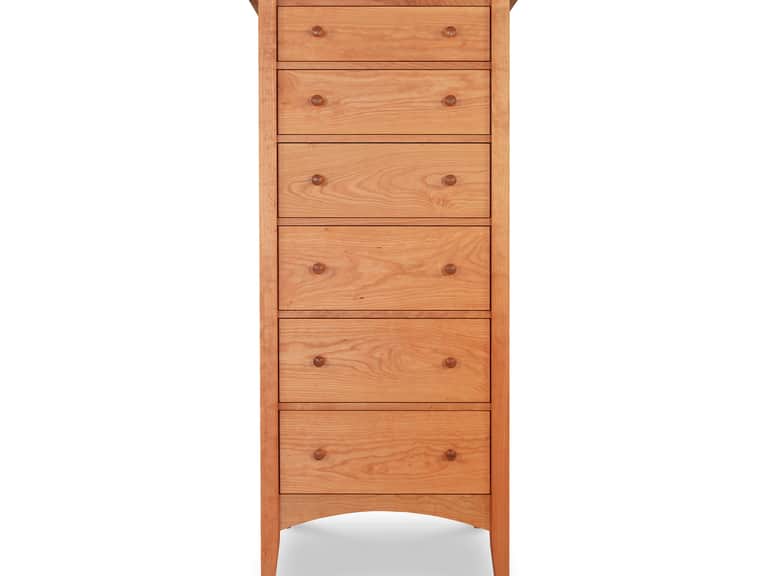
- Vertical storage priorities: Tall, narrow storage units draw the eye upward, adding height without consuming precious floor space. Consider slim closets or wardrobe towers that tuck into corner zones.
- Modular storage blocks: Stackable, modular units empower you to adjust the room’s storage footprint as needs evolve. Choose components that can reconfigure to a different arrangement without major rearrangement.
- Lightweight, inviting materials: Opt for panels and boxes in light wood tones or pale laminates to maintain airiness while delivering reliable storage capacity.
A note on textiles and tactile layering
In Vogue terms, the bedroom is a texture-rich stage. The right textiles add warmth, softness, and depth without overwhelming the senses. Consider a curated layering approach that adds movement and nuance to the space.
- Bedding harmonies: Choose bedding with subtle sheen or matte textures that align with the room’s palette. A crisp sheet set, a mid-weight duvet, and a tactile throw can create a balanced tactile narrative.
- Rugs with quiet presence: A low-pile rug in a neutral hue can anchor the bed while expanding the floor plane. If the room is narrow, a runner that begins at the bed and extends outward can visually elongate the space.
- Textural contrast: Mix materials such as cotton, linen, and wool to create a nuanced surface language. The interplay of textures can elevate the room’s sophistication without adding visual weight.
Case study considerations: real-world NYC apartment makeovers
While this piece remains practical and non-promotional, the logic of small-space optimization translates into real-life projects. In New York, renters and homeowners regularly encounter constraints—one particularly instructive pattern is to treat the room as a holistic system rather than a constellation of isolated pieces. The best approaches come from close attention to traffic patterns, light behavior, and a curated set of furniture that serves dual purposes.
For example, a compact bedroom might begin with a low-profile platform bed, a slim wall-mounted desk that folds away, and a couple of floating shelves that provide storage without encroaching on floor space. A well-placed mirror across from a window can dramatically expand the perceived size of the room, while a light, neutral palette keeps the space feeling open and civilized. The aim is to achieve a calm, uncluttered complexion that reads as luxurious even when the footprint is modest.
Conclusion: a mood, not a miracle
Small-space bedroom optimization in New York apartments is less a magic trick than a disciplined design practice. It is about constructing an atmosphere where light and order coexist with warmth and personality. By prioritizing layout that respects traffic, employing versatile furniture, and embracing a disciplined approach to storage and textiles, you can craft a bedroom that feels expansive, intimate, and eternally chic.
This approach aligns with a refined urban elegance: the confident understatement of clean lines, the quiet luxury of tactile textures, and the sensibility of furniture choices that are as functional as they are beautiful. It is a lifestyle choice that rewards clarity, intention, and the timeless allure of a space designed with both practicality and artistry in mind.
A quick note on product relevance
In this article, we emphasize guidance that is broadly applicable to small-space bedrooms and New York living. When referencing specific products, recommendations are tied to their fit within the article’s themes of layout efficiency, storage utility, and aesthetic refinement. For instance, a low-footboard bed that maintains visual lightness can harmonize with a wall-mounted desk and slender storage solutions. If a product is mentioned, it should align with the article’s focus on timeless design and practical utility rather than overt selling."
Product mention (genuine fit within the topic)
Contemporary Craftsman Low Footboard Bed from Vermont Furniture Designs exemplifies a refined platform bed with clean lines suitable for a small NYC bedroom. Its solid wood construction and modest footprint support a calm, cohesive aesthetic when paired with wall-mounted storage and a slender desk. Link to product: Contemporary Craftsman Low Footboard Bed.
Final thought: styling with intention
In Vogue cadence, the small-bedroom dream is a study in restraint and refinement. The room should feel curated rather than crowded, calm rather than chaotic. By honoring layout logic, leveraging multifunctional furnishings, and keeping storage graceful and accessible, your New York bedroom becomes a sanctuary that expands in the mind as it unfolds in real life. It is, in essence, a boutique of quiet luxury crafted for the city that never sleeps—yet knows how to dream in the space between ideas and dawn.